

Site created by



Texts by Alessandro Napoli
fratellinapoli@hotmail.com
Antica Bottega del Puparo - Via Reitano 55, 95121, Catania
© 2020 All rights reserved - Privacy Policy
The Marionette Company Fratelli Napoli
ORIGINS OF THEOPERA DEI PUPI
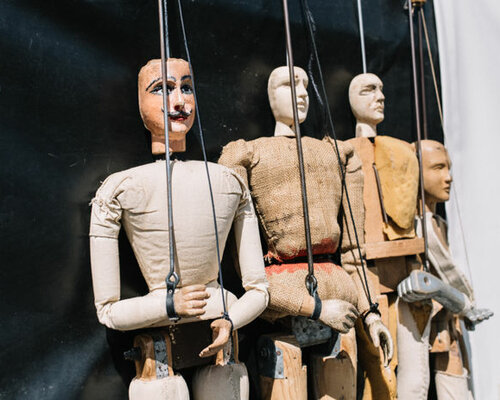
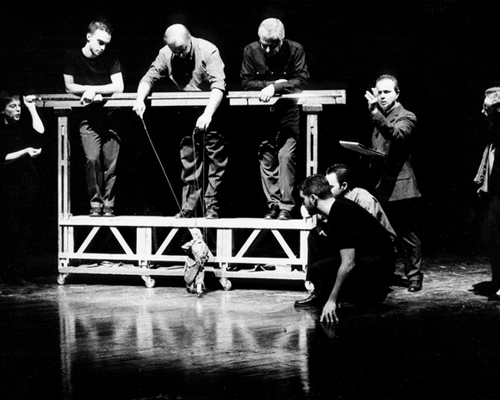
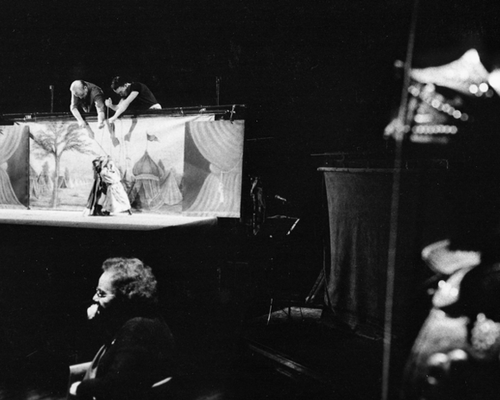
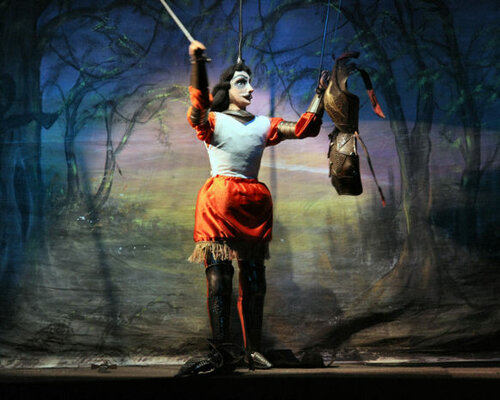
The eighteenth-century marionettes were animated from above by means of a thin metal rod connected to the head through a joint and by several strings, which allowed the movement of the arms and legs. In Sicily, in the 1830s, a brilliant craftsman whose name we do not know devised the effective technical solutions that transformed marionettes into pupi. He arranged for the metal rod for moving the head to no longer be connected to it by a joint, but to pass through it from the inside and—more importantly—he replaced the thin string for animating the right arm with the sturdy metal rod, characteristic of the Sicilian pupo. These technical innovations made it possible to give the animated figures faster, more direct, and decisive movements, and thus particularly effective for "imitating" duels and battles on stage, which played such a large part in chivalric stories.


STYLES
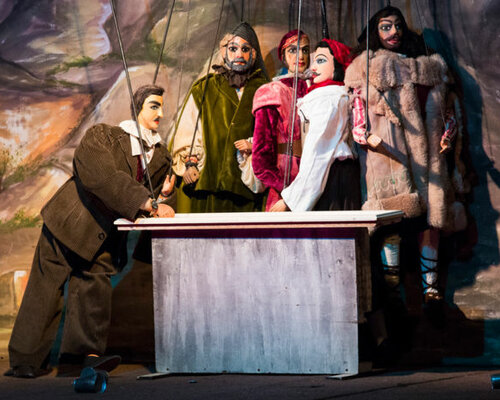
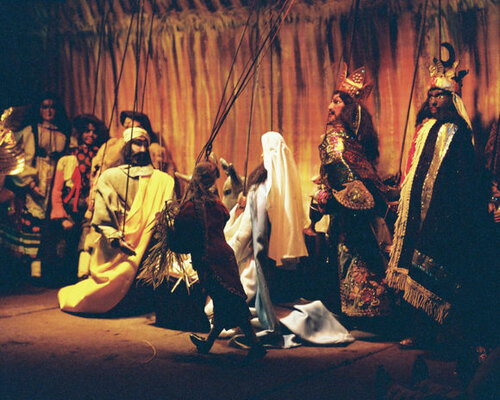
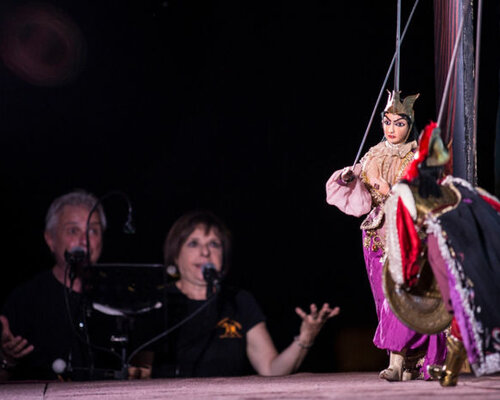
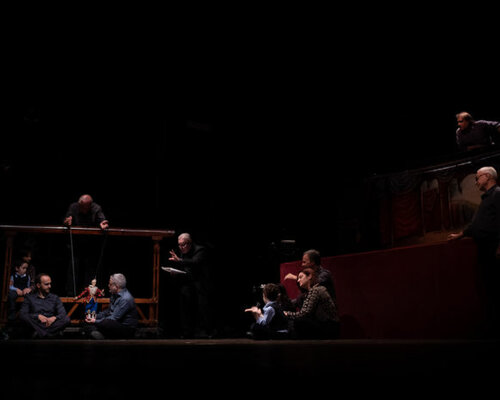
There are two different traditions, or "styles," of the Opera dei Pupi in Sicily: thePalermitan Opra, which became established in the capital and spread throughout the western part of the island, and theCatanese Opira, which became established in the city of Catania and spread, broadly speaking, in the eastern part of the island and also in Calabria. Chronicles report that the initiator of the Opira in Catania was Don Gaetano Crimi, who opened his first theater in 1835. The two traditions differ in the size and weight of the puppets, in some aspects of the mechanics and maneuvering system, but above all in a different theatrical and performance conception, which led to a much broader and, in many respects, different chivalric repertoire in Catania compared to Palermo.
PALERMITAN OPERA
CATANESE OPIRA
Puppet dimensions: From 80 cm to one meter in height.
Weight: Up to about 8 kg.
Mechanical features: Legs with knee joints; if the puppet is a warrior, the sword can be drawn and sheathed.
Control system: From the sides, with outstretched arms: the operators are positioned behind the side wings of the stage and stand on the same level as the puppets.
Stage space: The action area for the puppets is deeper than it is wide: the width of the stage is limited by the operators’ ability to lean out from the wings without being seen from the sides.
Theatrical and show concept: More stylized.
Puppet sizes: From 80 cm to 1.30 m in height.
Weight: Up to about 35 kg.
Mechanical characteristics: Rigid legs, without knee joint; if the puppet is a warrior, the sword is almost always held in the right hand.
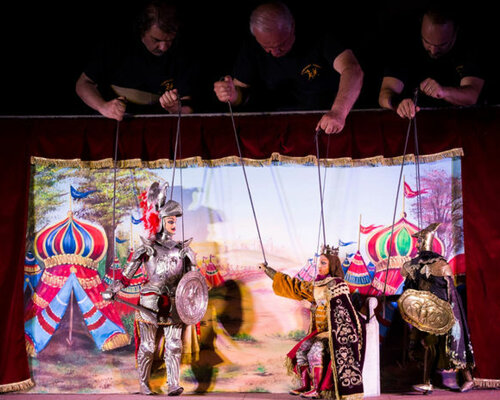
Control system: From above a bridge placed behind the backdrops (‘u scannappoggiu): the operators, that is, the animators, support the puppets by resting their feet on a thick wooden board suspended about a meter above the ground (‘a faddacca).
Stage space: Puppets' action surface is wider than it is deep: the animators, walking on the animation bridge, can easily follow the puppet across the entire width of the stage.
Theatrical and show concept: More tragic, sentimental, and realistic.

Read the
GLOSSARY
In the glossary you can find all the definitions, technical terms, and names related to the world of the Opera dei Pupi present on the site. To facilitate the search, these terms have been arranged in alphabetical order.