

Site created by



Texts by Alessandro Napoli
fratellinapoli@hotmail.com
Antica Bottega del Puparo - Via Reitano 55, 95121, Catania
© 2020 All rights reserved - Privacy Policy
The Marionette Company Fratelli Napoli
The foundation and the popular theaters
(1921-1973)
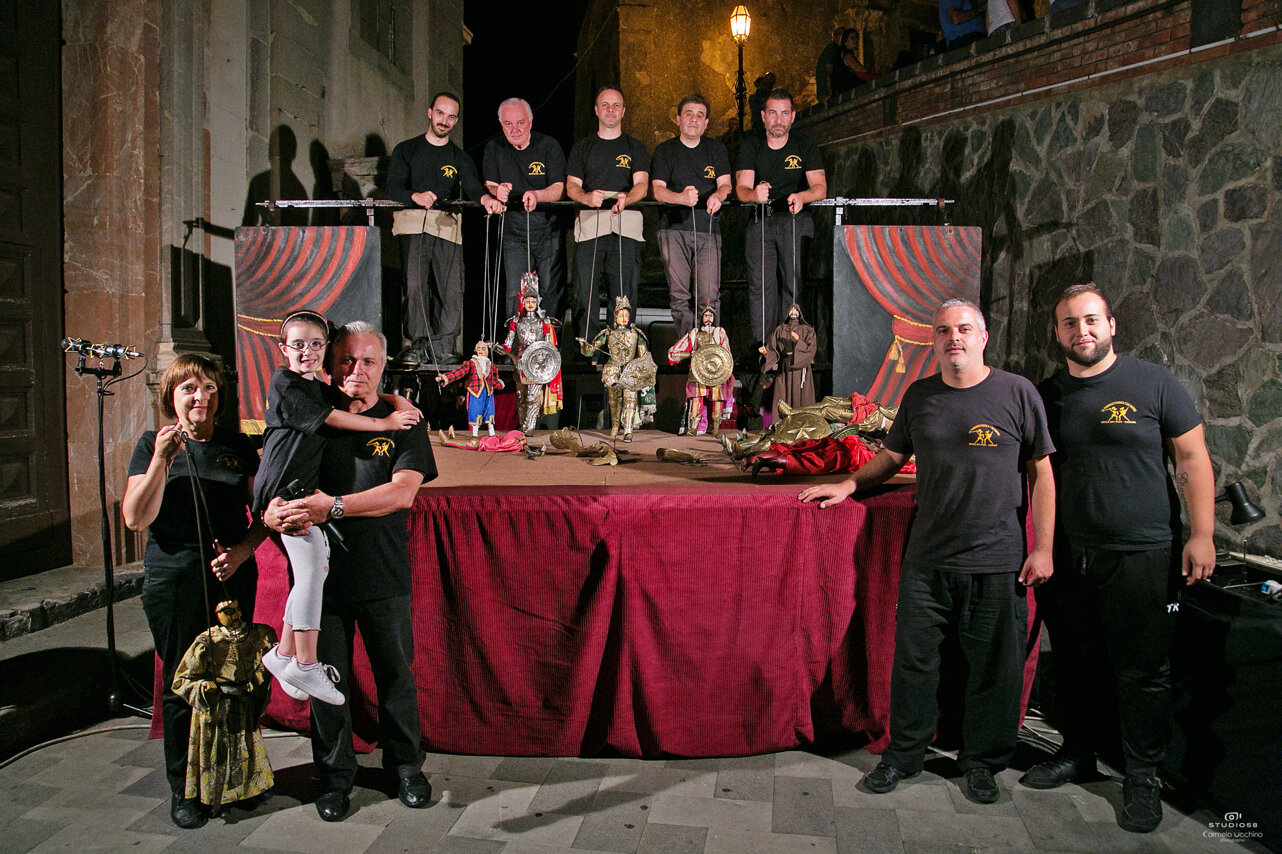
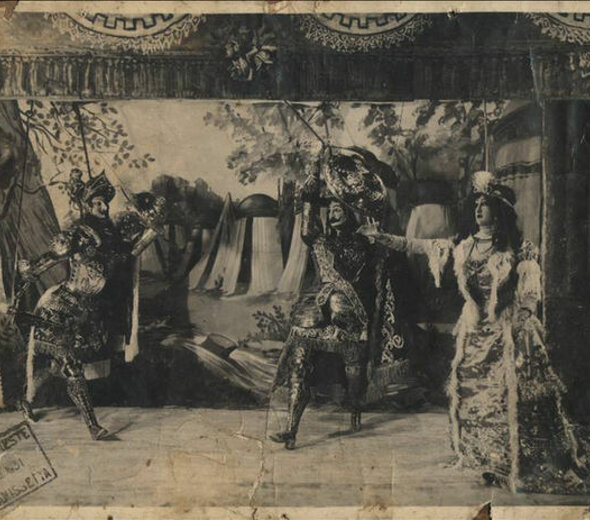
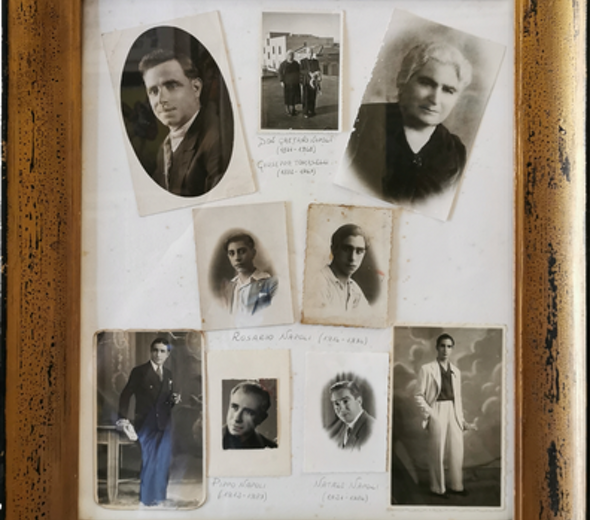
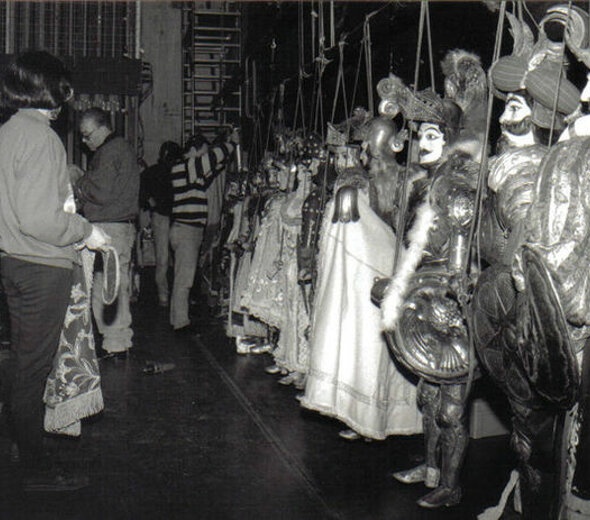
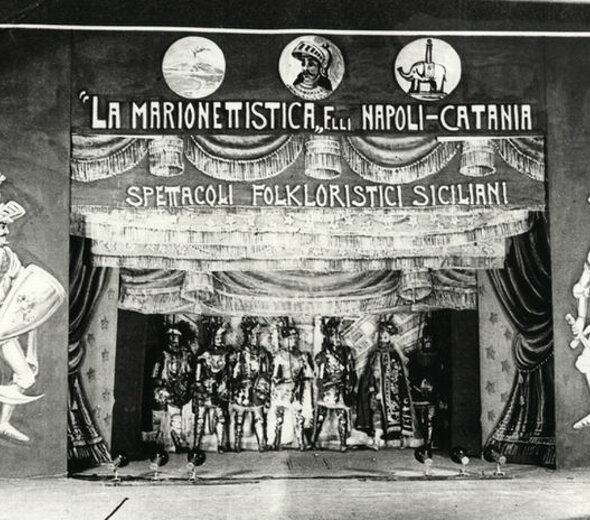
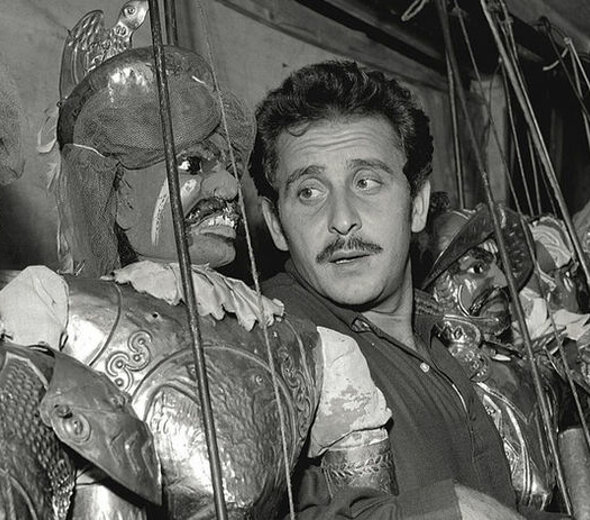
In 1921, Don Gaetano Napoli inaugurated the Teatro Etna on Via Cantone in Cibali. From then until 1973, the Napoli family carried out intense activity in the neighborhood popular theaters. They worked with the traditional craft, the puppets being 1.30 meters tall and weighing up to 35 kg.
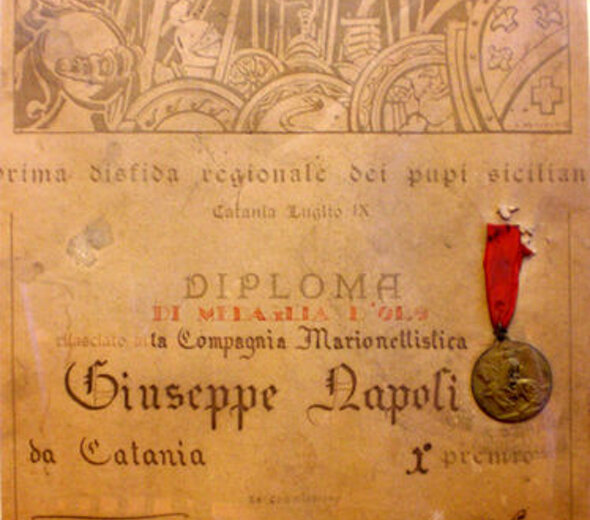
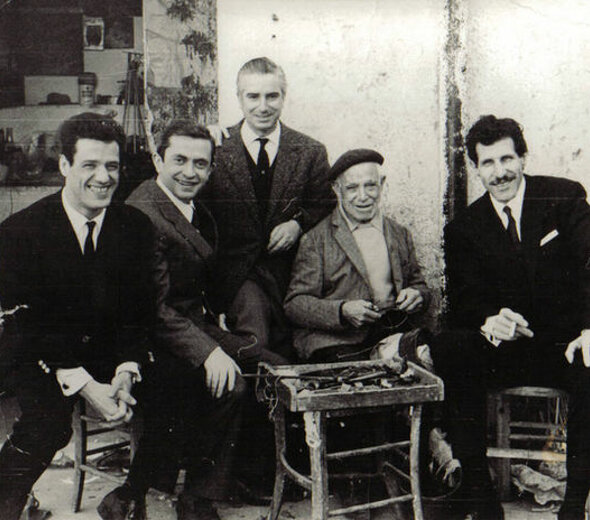
All the stories from the Catanese repertoire were staged in evening episodic cycles. The performances of the cycle, aimed at an "initiated" audience who already knew the characters and plots in advance, served as a true "liturgy," a ritual during which the audience and puppeteers symbolically reaffirmed the culture of their group and found in the paladin heroes the models of shared codes of behavior to conform to. Over the years, the craft was continually enriched with new puppets, scenes, and signs. At the same time, rules and staging techniques were acquired and refined, in their respective specializations, by Don Gaetano's sons: Pippo, Rosario, and Natale. This heritage of skills was later passed on to Fiorenzo, Giuseppe, Salvatore, and Gaetano, sons of Natale and Italia Chiesa Napoli. In 1931, the Marionettistica dei Fratelli Napoli received, ex aequo with the puppeteer Nino Insanguine, the highest recognition at the First Regional Challenge of Sicilian Puppets. In 1958, by participating in the Universal Expo in Brussels, the Napoli family achieved their first international success.
Tradition and innovation
(1973 - today)
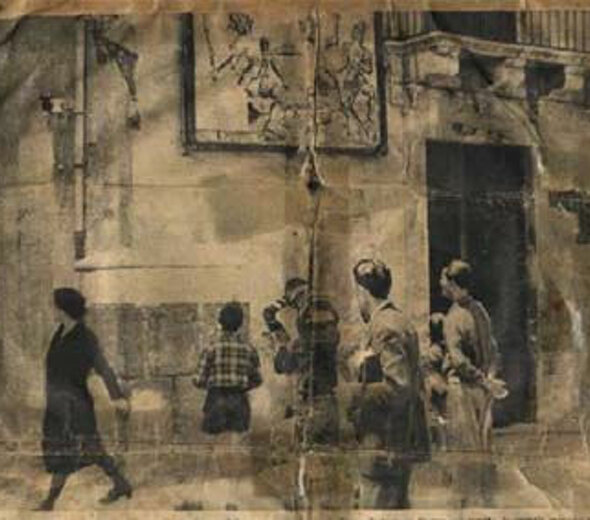
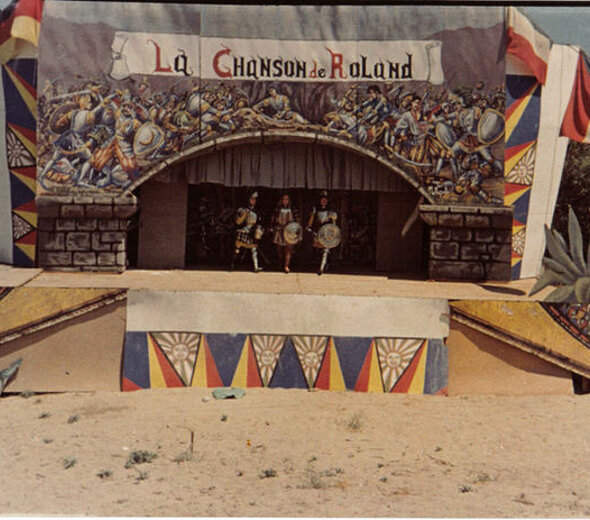
In these years, the Napoli family, while remaining faithful to the codes and staging rules of tradition, worked to adapt the Catanese Opira to the needs of a new audience. In fact, in the 1960s and 1970s, the popular audience of the Opera dei Pupi began to abandon the theaters. The era of evening episodes was coming to an end. It was necessary to break through to a non-popular audience, to people who were not "initiated" and knew little about the plots of chivalric stories and who, in any case, would not return to the theater the next day. The difficulties in adapting the puppet show were mainly of two kinds. First of all, it was necessary to create shows that presented a complete story in a single evening, giving up the traditional cyclical enjoyment, or at least preserving it only for rare and special occasions. Then it was necessary to "calibrate" the traditional staging codes to the taste of an audience different from the popular one. Another difficulty was added to these: it was becoming increasingly difficult to find spaces that allowed the "large puppets" to perform, as it was not always possible to find rooms suitable for setting up their stage and proscenium. To solve the problem and bring the Catanese puppets to smaller venues, such as gyms and school theaters, parish halls, conference rooms of clubs and cultural associations, Natale Napoli, following the suggestions of Nino Amico, came up in 1973 with the idea of the "small puppets" of 80 cm, which, reduced in size, allowed the Catanese tradition to reach a much larger number of audiences than the "large puppets" would have allowed.
The "small puppets" marked a real "epochal transition": they, while absolutely maintaining intact the codes, rules, and techniques of traditional staging, ensured the possibility of attracting a new audience to the Catanese Opira, composed of young people of school age and university students, professionals, members of the middle class, and intellectuals.
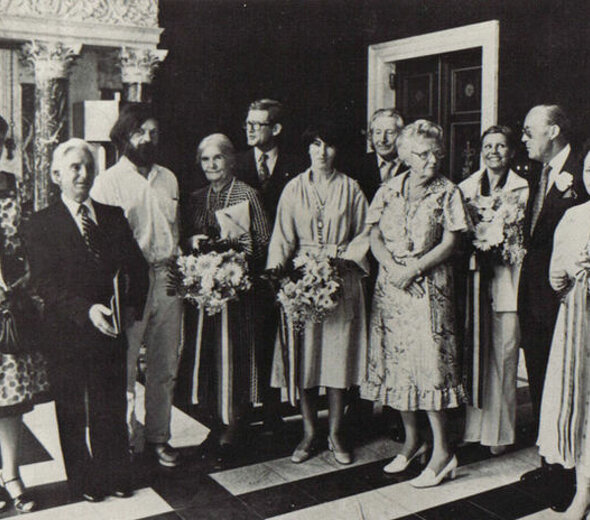
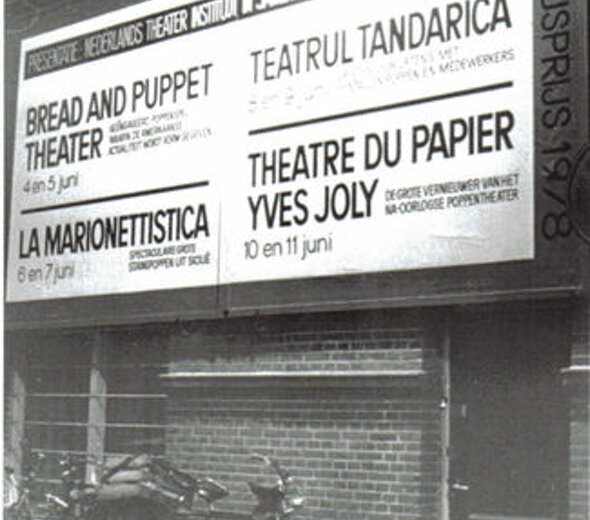
In 1978, the Napoli brothers received from the Royal Family of the Netherlands the prestigious Praemium Erasmianum, which "crowns people and institutions who, through their activity, have enriched European culture." The official motivation for the award recognized the Napoli family for their commitment in adapting the ancient chivalric tales of the Sicilian tradition to the needs and tastes of the contemporary public: «Quia secundum priscum morem Siciliae antiquas fabulas populares incorrupte nec tamen sine cura atque respectu spectatorum huius temporis exprimunt.»
Also in these years, after the death of their father Natale, Fiorenzo became Artistic Director of the company and his sons Davide, Dario, and Marco also learned the rules of the trade, ensuring the continuity of the Catanese tradition of the Opera dei Pupi.
The Company Today





Fiorenzo Napoli
Artistic Director
Co-author of the scripts
Main Parraturi
Master puppet maker
Giuseppe Napoli
Head Manianti
Set designer
Rosario Napoli
Speaker
Alessandro Napoli
Script author
Manianti
In charge of preparations and requirements for the shows
Agnese Torrisi Napoli
Narrators
Costume designer




Dario Napoli
Stage Manager
Manianti
Davide Napoli
Second Parraturi
Manianti
Puppet maker
Giacomo Anastasi
Lighting technology
Sound engineering
Marco Napoli
Manianti
...and tomorrow



Geneva
Carlo
Italo